


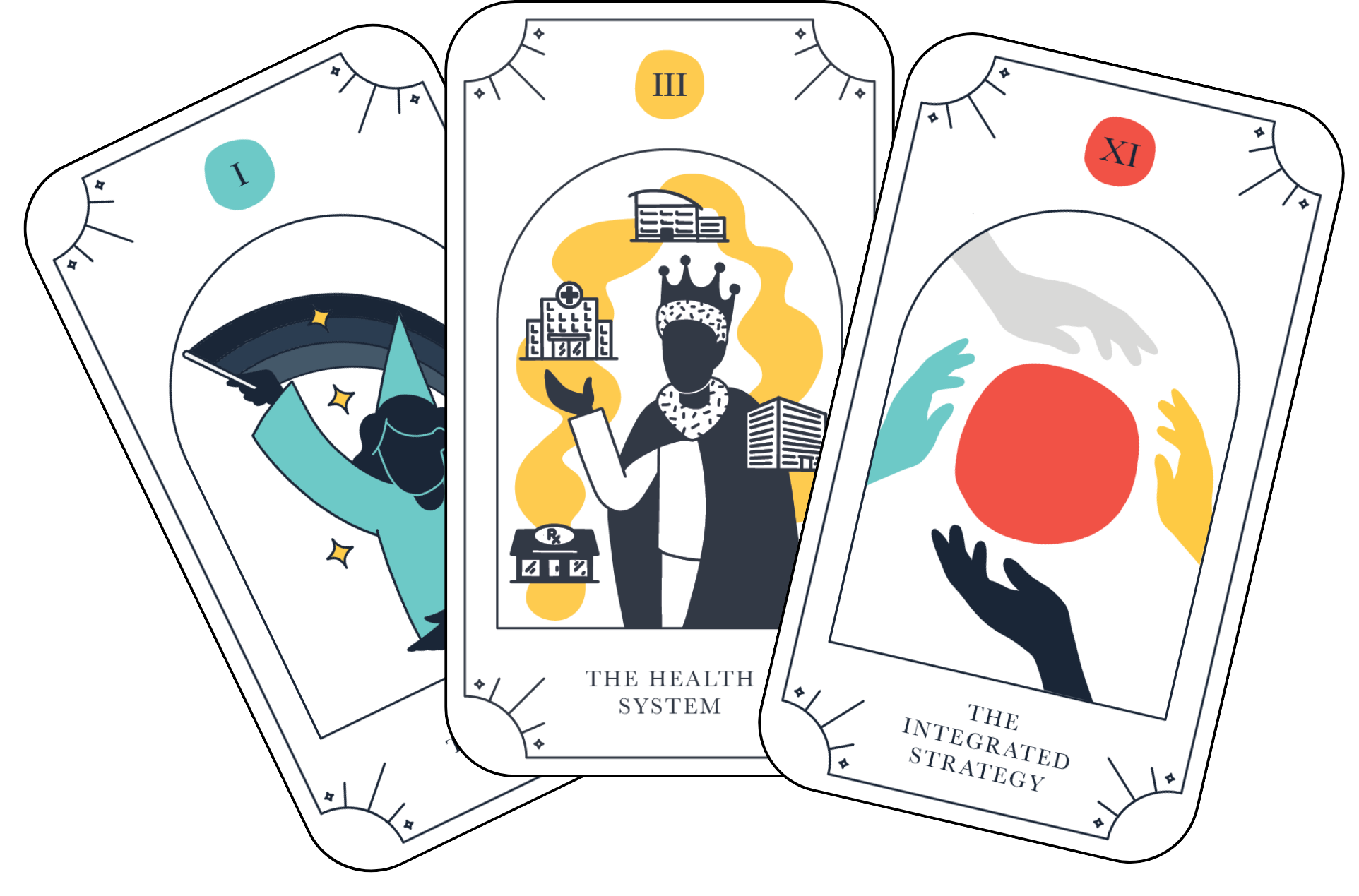
Healthcare digital shouldn’t be mysterious.

Three cards, one path forward.
Shifting platforms. Silo’d stakeholders. Regulatory and compliance challenges.
There are forces (mysterious and not) at work that affect our digital day-to-day.
Cut the deck and gain clarity. See what the cards have in store.
Healthcare marketing major arcana
Twelve cards for the health systems navigating digital transformation, siloed teams, patient access, unclear ownership, and change — often all at once.
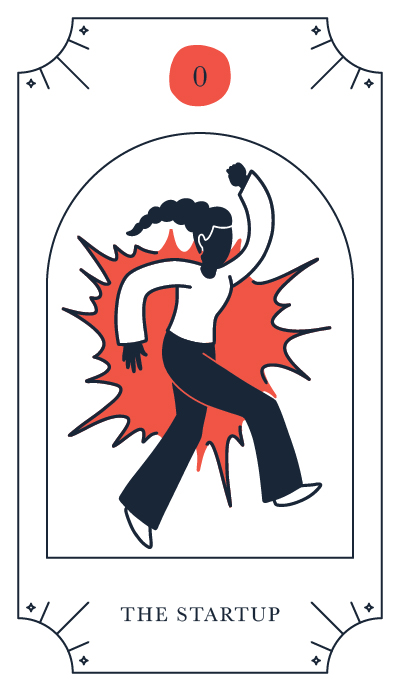
The Startup
A new leader arrives with a bold roadmap and real energy for reinventing the patient experience. Reversed, that vision runs into Epic integrations, security reviews, and six departments that all need a say before anything ships. Ambition is the spark every transformation needs, and it goes further when paired with people who know where the landmines are.

The CMO
One leader brings web, social, campaigns, and patient communications together into a single coherent voice. Reversed, the website, portal, scheduling tool, and app each have a different owner, so redesigns stall over who gets final say. Most health systems share this gap: patients experience digital as one thing, yet no single person is accountable for it end to end.
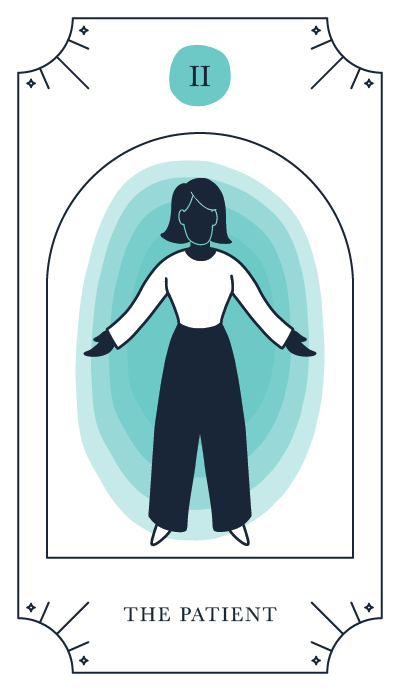
The Patient
She holds the story (symptoms, history, preferences) that would make her care faster and better. Reversed, that story sits behind a forgotten portal password, a form that won’t save progress, or a phone tree that never reaches a human. Health systems often already collect what patients need; the work is freeing it from systems built around departments instead of people.

The Health System
Dozens of service lines, facilities, and specialties, each with deep expertise and real operational discipline. Reversed, that scale works against itself, with separate microsites and content systems that never share a single source of truth. Silos are the natural result of growth, mergers, and systems built years apart, and naming them is the first step to closing them.

The EMR
The vault at the center of the kingdom, holding a complete clinical record built for accuracy and continuity of care. Reversed, marketing and IT each see only a fraction of it, and patients end up re-entering the same information at every touchpoint. A shared integration strategy between clinical and marketing systems is what turns “digital front door” talk into something real.
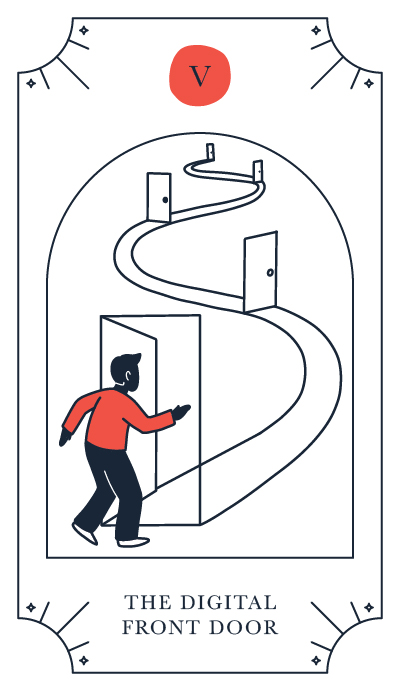
The Digital Front Door
One well-lit entry point to find a doctor, check symptoms, or book a visit, designed around how patients think. Reversed, it’s a decade of tools bolted onto the website: a scheduling widget here, a chatbot there, a symptom checker few patients ever find. Keeping the door open means regularly auditing what’s live and retiring what isn’t working, which is quieter work than launching something new.

The Compliance Team
The steady hand that reviews every claim, tracking pixel, and disclaimer with patient protection in mind. Reversed, they’re looped in the week before launch and left to choose between approving something risky or slowing the timeline. Bringing them in early is often the difference between “compliance held us up” and “compliance helped us launch faster.”
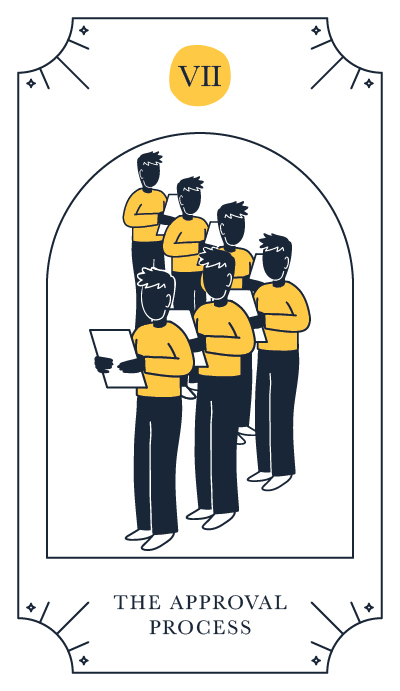
The Approval Process
A structured review where legal, clinical, brand, and IT each catch real risks before anything reaches patients. Reversed, a project waits weeks on one signature from someone who’s out of office, with no one else authorized to decide. Slow approvals usually trace back to decision rights that were never assigned at the start, which makes them very fixable.

The Vendor Contract
A partnership chosen deliberately, with clear terms, clear platform ownership, and a plan for when the relationship ends. Reversed, it’s an auto-renewal clause nobody remembers signing for a platform nobody remembers choosing. A living inventory of who owns each tool, with review dates that don’t depend on the original signer, keeps ownership from drifting.

The Platform Sunset
The end of a legacy system is painful in the short term but offers a rare chance to fix problems the old platform quietly papered over. Reversed, the migration becomes a straight lift-and-shift that carries every old workaround onto new infrastructure. The most useful first question in any migration is whether something needs to exist on the new site at all.

The Patient Journey
A clear path from first search to appointment to follow-up, mapped from the patient’s point of view. Reversed, the journey starts on a search engine, gets lost in a phone tree, and ends with an abandoned form at 11 p.m. The maps that work best are built from call center transcripts, search behavior, and drop-off data, showing the path patients actually take.
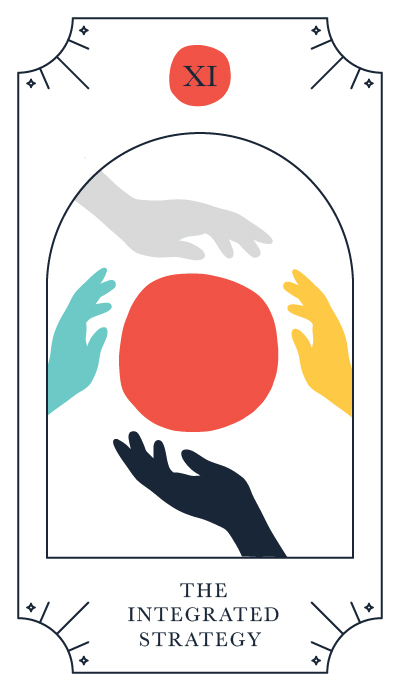
The Integrated Stategy
Marketing, IT, security, and clinical operations working from one roadmap, one patient view, and one accountable owner. Reversed, it’s an outcome someone tries to reach by mandate before the groundwork is in place. This card is the payoff for working through the other eleven, and it arrives in sequence rather than all at once.